Category: Uncategorized

  • Sheet-Pan Dinners in 30 Minutes or Less: 6 Recipes, Sorted by How the Pan Gets Loaded

    Sheet-Pan Dinners in 30 Minutes or Less: 6 Recipes, Sorted by How the Pan Gets Loaded

    This post contains affiliate links. As an Amazon Associate, EveryDay Fork earns from qualifying purchases at no extra cost to you. See our Affiliate Disclosure for details.
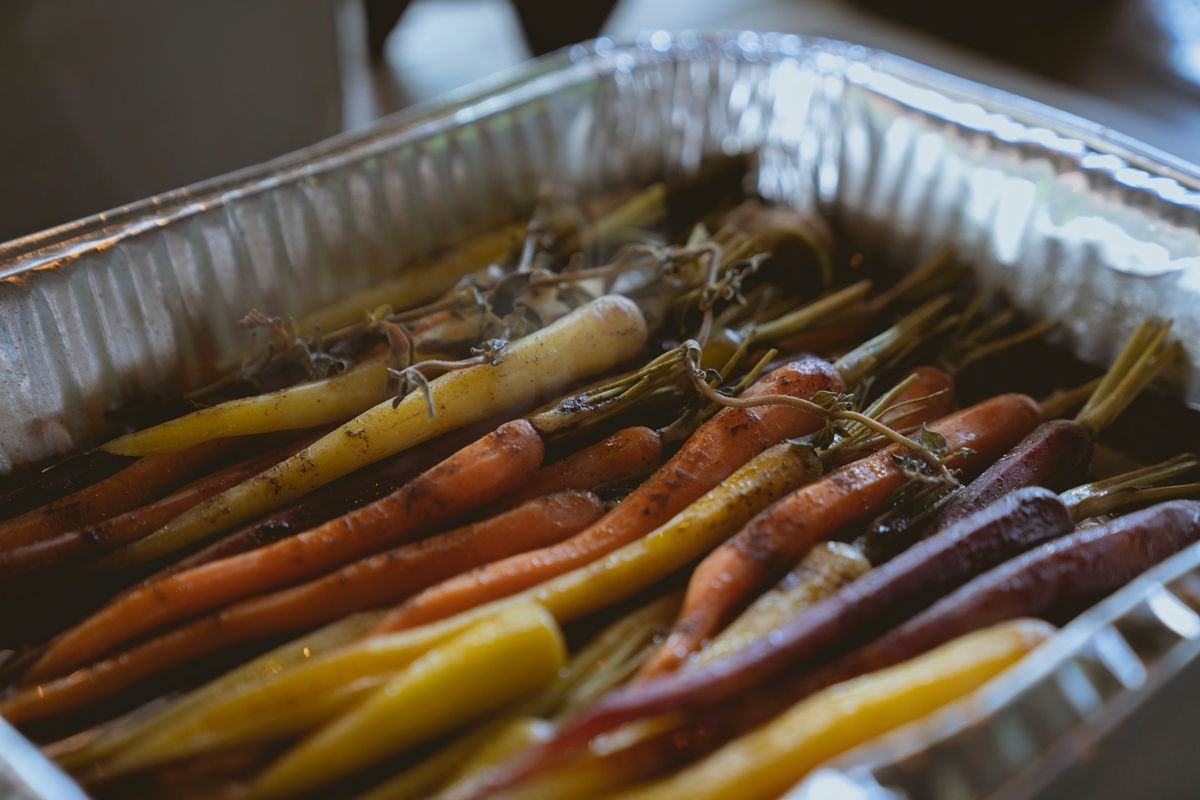
    Roasted rainbow carrots in a metal roasting tray
    One pan, one oven, very little to wash. (Illustrative photo.)

    Sheet-pan dinners have a reputation for being the lazy cook’s best friend, and mostly they earn it: you load a pan, the oven does the work, and cleanup is one tray. The catch is time. A lot of recipes sold as “easy sheet-pan dinners” quietly run 45 minutes to an hour once you count the prep and the roasting, which is fine on a Sunday and not fine at 6:40 on a Tuesday.

    So we went looking for sheet-pan dinners whose creators actually put 30 minutes or less on the recipe card, and we threw out a lot of good-looking candidates along the way. Then, instead of listing them by protein, we sorted the six survivors by the one thing that decides how your evening goes: how the pan gets loaded. Some go in all at once. One needs the vegetables to get a head start. One finishes under the broiler. And one starts on the stove and only uses the oven for the last few minutes.

    How This List Works

    • Six recipes, six different creators. Every dish comes from an established recipe developer, and every link goes straight to their original post. We describe each dish in our own words; the ingredient lists, amounts and full instructions live with the people who developed and tested them.
    • Times come from the recipe cards. The number we show is the total time the creator lists on their card (or prep plus cook, where that is how the card is laid out). We did not round anything down, and recipes whose own pages disagreed about timing, or that needed a long marinade, did not make the cut.
    • “Sheet pan” means a rimmed baking sheet does the main cooking. One recipe uses two pans and one uses the stovetop before the oven; we flag both so nothing surprises you.
    • The photos are illustrative. They are stock photos of similar dishes, not the creators’ food. To see what each recipe really looks like, follow the link.

    Group 1: Everything Goes In at Once

    These are the purest version of the sheet-pan promise: season, spread, slide it in, set a timer. The one thing that makes them work is cutting everything to a size that finishes at the same moment as the protein, so read the creator’s notes on sizing before you start chopping.

    1. Za’atar Garlic Salmon With Potatoes, Tomatoes and Broccoli

    Card time: 10 minutes prep + 15 minutes cook (the post calls it ready in 25 minutes) · Pan plan: all at once

    Salmon portions sit on a bed of small potatoes, grape tomatoes and broccoli, all of it carried by the herby, tangy warmth of za’atar plus a good hit of garlic and lemon. It is the kind of dinner that looks like you planned it, and the bright Middle Eastern seasoning keeps salmon from tasting like the same old weeknight fish. Because the potatoes have to finish in the same short window as the fish, small ones are the whole game here; several readers in the comments mention giving larger potatoes extra time, so size matters more than usual.

    Get the recipe at The Mediterranean Dish (Suzy Karadsheh) →

    2. Sheet Pan Chicken Fajitas

    Card time: 30 minutes total, no marinating · Pan plan: all at once, tortillas warmed at the end
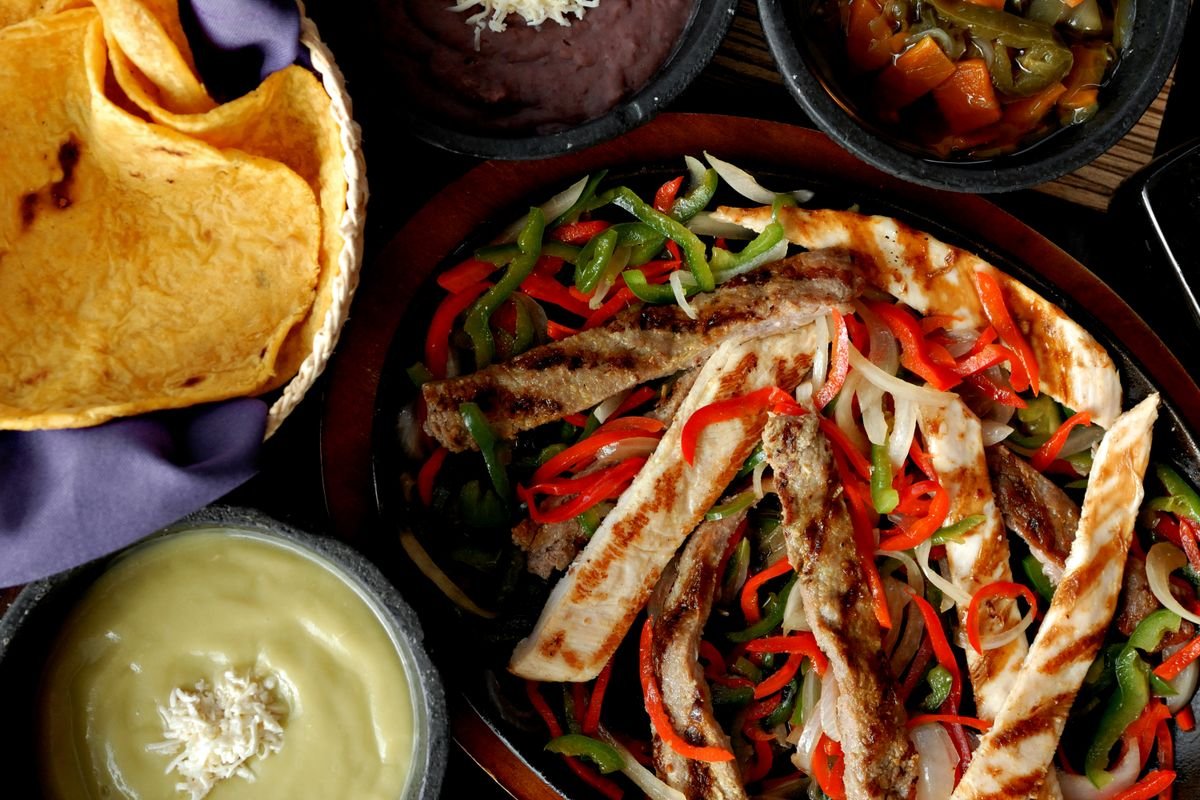
    Chicken fajitas with peppers and onions served with tortillas
    Illustrative photo of chicken fajitas, not the creator’s dish.

    Thin strips of chicken breast roast alongside sliced bell peppers and red onion under a classic chili-and-cumin seasoning with a squeeze of lime. The clever part is that the tortillas ride along in a foil packet for the last few minutes, so they come out warm without a second burner. It is a build-your-own dinner, which makes it an easy sell with mixed-age tables. If your pan is crowded, the creator suggests moving some vegetables to a second pan, which is worth doing: crowded peppers steam instead of char.

    Get the recipe at Well Plated (Erin Clarke) →

    3. Sheet Pan Gnocchi With Smoked Sausage

    Card time: 5 minutes prep + 25 minutes cook = 30 minutes · Pan plan: all at once, cheese after

    Store-bought gnocchi goes straight onto the pan, no boiling, with sliced smoked sausage, cherry tomatoes, zucchini and red onion. In the oven the gnocchi turn golden and a little crisp on the outside while staying soft in the middle, and the tomatoes slump into something close to a sauce. A shower of Parmesan and parsley at the end makes it feel finished. This is the most “cozy” dinner on the list and probably the one kids will eat without negotiation.

    Get the recipe at The Recipe Critic (Alyssa Rivers) →

    ★ Our Pick

    Nordic Ware Naturals Aluminum Half Sheet Pans (2-Pack)

    Two Nordic Ware Naturals aluminum half sheet pans

    Every recipe on this list leans on a rimmed half sheet, and two of them work best with a second pan when things get crowded. A plain, sturdy aluminum pair covers both situations.

    • Pure aluminum — the maker says it is chosen for heat conductivity and even browning.
    • Warp-resistant rim — per the listing, an encapsulated galvanized steel rim helps the pan keep its shape over many uses.
    • Standard half-sheet size — about 17 x 12 inches inside, according to the product page, which is the size most sheet-pan recipes are written for.

    Check Current Price on Amazon →

    As an Amazon Associate we earn from qualifying purchases. Price and availability may change.

    Group 2: Vegetables First, Quick-Cooking Protein Last

    Shrimp cook in a matter of minutes, while broccolini and tomatoes need longer to soften and blister. Put them in together and you get either rubbery shrimp or raw vegetables. The fix is a staggered pan: vegetables go in first, the shrimp join them for the final stretch. It asks you to come back to the oven once, and that is the only extra effort.

    4. Sheet Pan Shrimp With Broccolini and Tomatoes

    Card time: 30 minutes total · Pan plan: vegetables first, shrimp added for the last few minutes

    Broccolini and grape tomatoes roast with olive oil and oregano until the stems are tender and the tomatoes start to burst, then garlicky shrimp join them and everything gets a squeeze of lemon at the end. It is light, bright and Mediterranean in spirit, and it goes with whatever starch you already have: crusty bread, rice, orzo or a pile of couscous. If you have only made shrimp on the stovetop, this is a calmer way to do it, with no splatter and no hovering.

    Get the recipe at Skinnytaste (Gina Homolka) →

    Group 3: Finished Under the Broiler

    The broiler is the sheet-pan cook’s secret weapon: a couple of minutes of direct top heat gives you color and crunch that regular roasting would take much longer to deliver. It is also the step where dinners burn, so this is the one time on the list we would say do not walk away.

    5. Sheet Pan Halloumi and Vegetables

    Card time: 10 minutes prep + 20 minutes cook = 30 minutes · Pan plan: two pans in the oven together, then a short broil
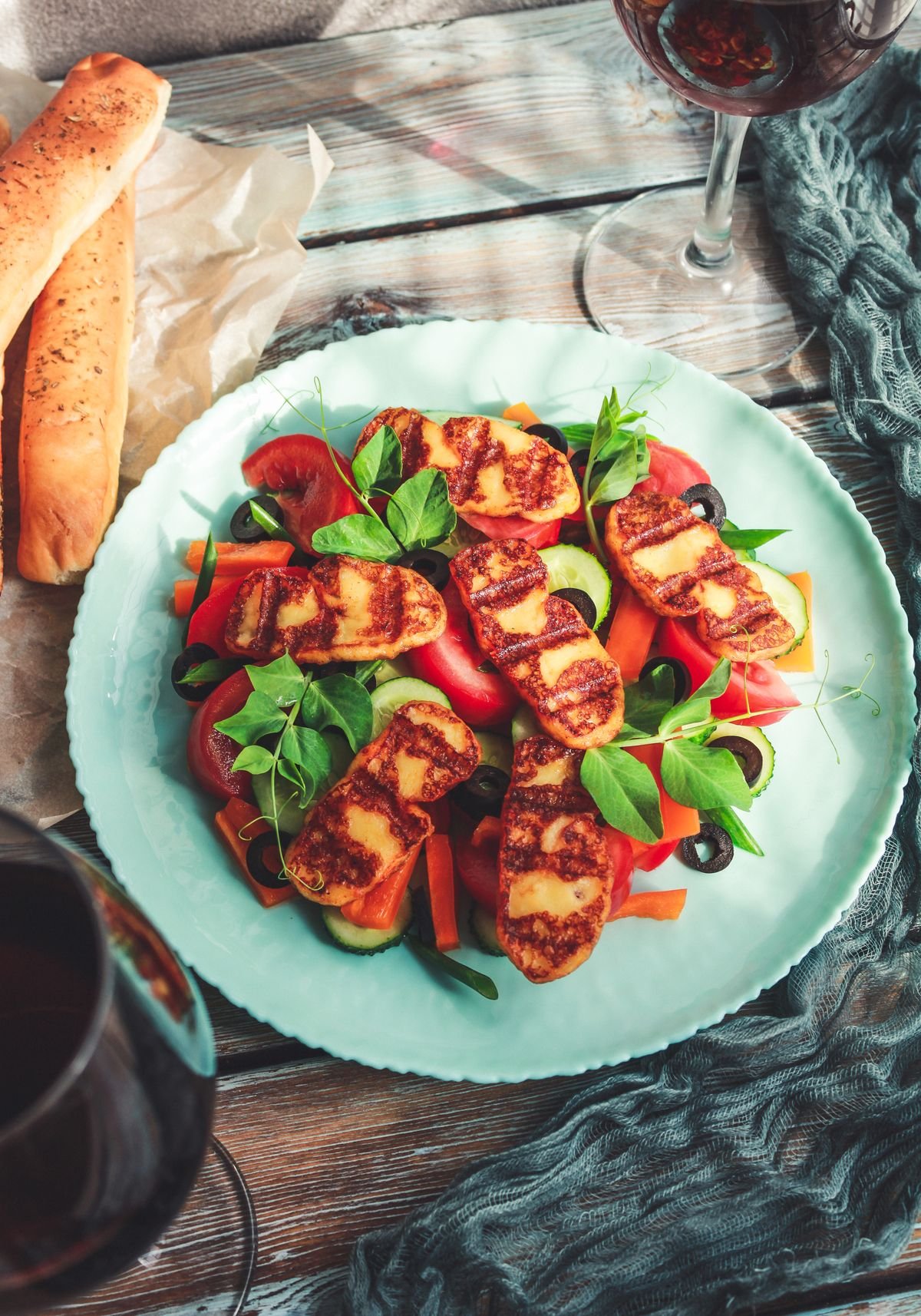
    Seared halloumi slices with tomatoes and fresh greens
    Illustrative photo of halloumi with vegetables, not the creator’s dish.

    Slices of halloumi, the squeaky grilling cheese that browns instead of melting, roast with bell pepper, broccoli and red onion, then get a quick blast under the broiler to crisp the edges. While the pans are in the oven you blitz a simple cilantro and paprika sauce to spoon over the top. It is the only meatless dinner in this roundup and it is properly filling. Note that the creator spreads it over two sheet pans, so check that you have a second one before you start.

    Get the recipe at I Heart Vegetables (Liz Thomson) →

    Group 4: Stovetop Start, Oven Finish

    Here the sheet pan is not the cooking vessel so much as the serving platter that happens to go in the oven. You make the hot part on the stove, assemble on the pan, and let the oven melt everything together.

    6. Sheet Pan Nachos

    Card time: 10 minutes prep + 15 minutes cook = 25 minutes · Pan plan: beef browned on the stove, then a short bake to melt the cheese
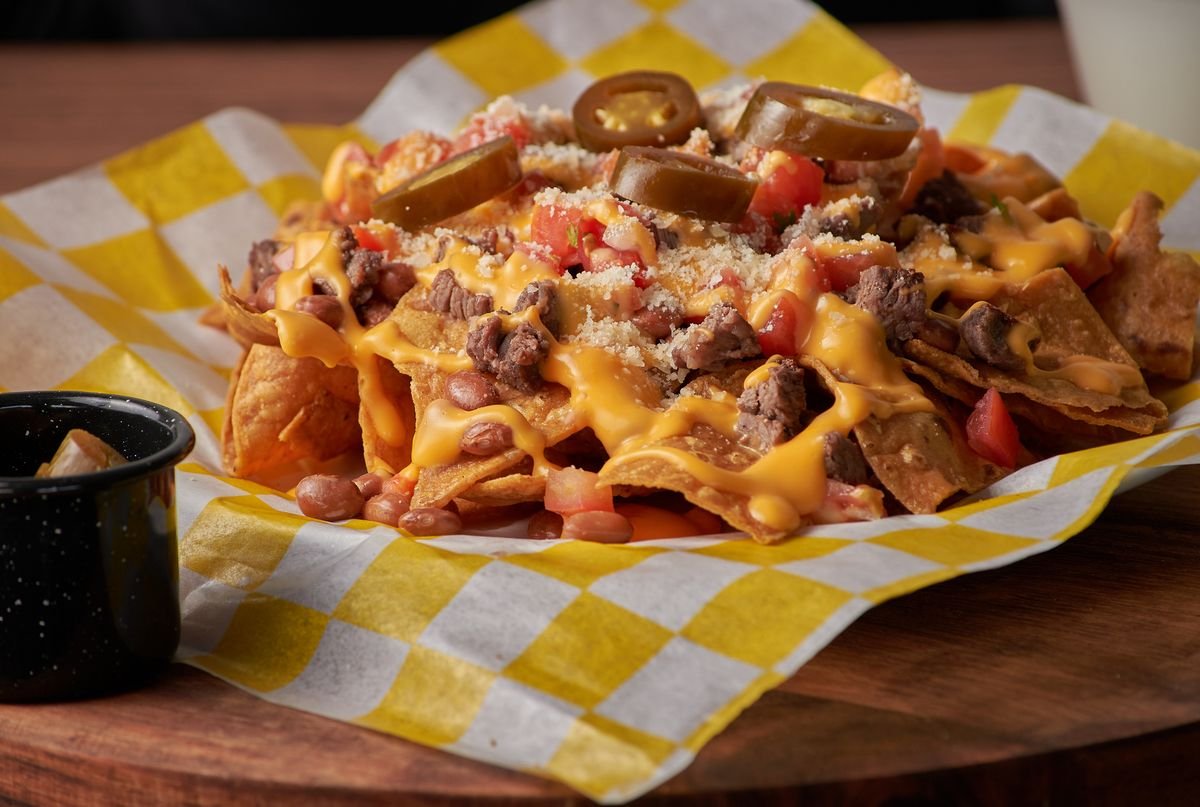
    Loaded nachos with ground beef, beans, melted cheese and jalapenos
    Illustrative photo of loaded nachos, not the creator’s dish.

    Tortilla chips get layered with seasoned ground beef, black beans and cheddar, go into a hot oven just long enough for the cheese to melt, and come out to a pile of cold toppings: salsa, sour cream, scallions, jalapeño and avocado. Nachos for dinner sounds like a cheat, but with beef and beans on every chip it eats like a real meal, and it is the most fun item on this list for a Friday or a game night. The creator notes you can swap in shredded chicken or skip the meat entirely for a vegetarian pan.

    Get the recipe at Feel Good Foodie (Yumna Jawad) →

    All Six at a Glance

    DishCreatorCard timeHow the pan is loadedPans needed
    Za’atar Garlic SalmonThe Mediterranean Dish25 min (10 + 15)All at once1
    Chicken FajitasWell Plated30 minAll at once, tortillas at the end1 (2 if crowded)
    Gnocchi With Smoked SausageThe Recipe Critic30 minAll at once, cheese after1
    Shrimp With BroccoliniSkinnytaste30 minVegetables first, shrimp last1
    Halloumi and VegetablesI Heart Vegetables30 min (10 + 20)Roast, then broil2
    NachosFeel Good Foodie25 min (10 + 15)Stovetop first, oven to finish1 + a skillet

    Five Sheet-Pan Habits That Keep the Clock Honest

    Recipe-card times assume things go roughly to plan. These general habits are what make that true in a real kitchen. They are not substitutes for the creators’ instructions, just the small stuff that tends to separate a 30-minute sheet-pan dinner from a 45-minute one.

    1. Turn the oven on before you do anything else. Most ovens need a while to reach temperature, and the cook times on these cards only work if the oven is actually hot when the pan goes in.
    2. Give food room. A single layer with a little space between pieces roasts and browns; a crowded pan steams. This is the most common reason sheet-pan vegetables come out soft and pale, and it is why a second pan is so useful.
    3. Use a rimmed pan. Juices, oil and melting cheese need somewhere to go other than the oven floor. A flat cookie sheet is the wrong tool for every recipe on this list.
    4. Line it if you hate scrubbing. Parchment or foil makes cleanup close to zero. Follow what the creator uses where it matters, since some surfaces brown differently.
    5. Cut to the clock. In the all-at-once recipes, piece size is the timer. Smaller and thinner cooks faster, so stick to the sizes the creator describes.

    Done Is a Temperature, Not a Timer

    Ovens vary, and a fast dinner is only a good dinner if it is cooked through. Use each creator’s doneness cues, and when in doubt, check with a thermometer against the official guidance. According to the U.S. government’s FoodSafety.gov safe minimum internal temperature chart:

    • Poultry, including chicken breast and poultry sausage: 165°F (74°C).
    • Ground meat such as ground beef: 160°F (71°C).
    • Fin fish such as salmon: 145°F (63°C), or until the flesh is no longer translucent and separates easily with a fork.
    • Shrimp: cook until the flesh is pearly or white, and opaque.

    Which One Should You Make Tonight?

    • You want zero babysitting: the za’atar salmon or the gnocchi. Load, set a timer, walk away.
    • You are feeding picky eaters or a mixed crowd: the fajitas or the nachos, because everyone builds their own plate.
    • You want something light: the shrimp with broccolini.
    • Nobody wants meat tonight: the halloumi, or the nachos with the creator’s meatless swap.
    • You own exactly one sheet pan: skip the halloumi (it uses two) and pick any of the others.
    • You are cooking for one or two: the fajitas and nachos scale down easily by eye; for the rest, follow the creator’s serving size.

    A Few Honest Notes

    • We did not cook these for you. EveryDay Fork is a curation site: we read the recipes, check the card times and point you to the people who developed them. Results, timing and texture are theirs to describe, so read the full recipe and the creator’s notes before you start.
    • Card times start when you start cooking. They generally do not include waiting for the oven to preheat or making a side like rice, so plan a few minutes of buffer.
    • Allergens to watch: shellfish (the shrimp), dairy (Parmesan on the gnocchi, cheese on the nachos, and the halloumi itself), and gluten in many store-bought gnocchi and flour tortillas. Check labels if that matters at your table.
    • Sausage varies. Smoked sausages are sold in different styles; follow the package directions and the creator’s notes, and use the temperatures above if you are unsure.
    • About the photos. The pictures here are illustrative stock photos. A few dishes have no photo because we could not find one that honestly matched them, and we would rather show nothing than show the wrong food.

    The Bottom Line

    A sheet-pan dinner is fast when the recipe is built for it: small pieces, quick-cooking proteins and a plan for what goes in when. Pick the loading style that fits your evening, all at once if you need to step away, staggered or broiled if you can stay close, and let the oven do the rest. If your current pan is warped or too small to keep things in a single layer, a sturdy pair of half sheet pans is the upgrade that helps every recipe here. Then click through to the creators, give them the visit, and enjoy a weeknight with one tray to wash.
  • Dinner Tonight, Lunch Tomorrow: 6 Quick Recipes That Pack Well the Next Day

    Dinner Tonight, Lunch Tomorrow: 6 Quick Recipes That Pack Well the Next Day

    This post contains affiliate links. As an Amazon Associate, EveryDay Fork earns from qualifying purchases at no extra cost to you. See our Affiliate Disclosure for details.

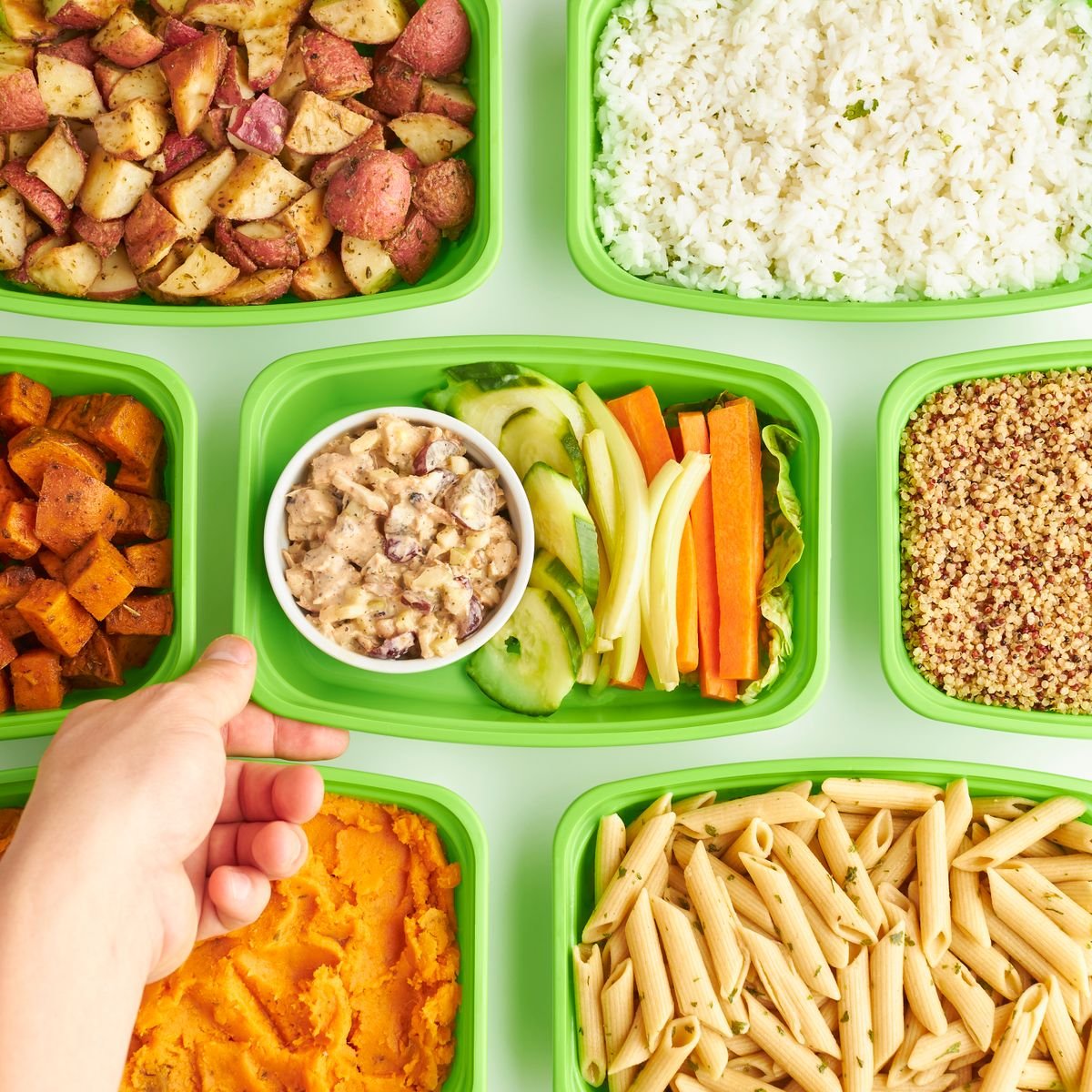
    Meal prep containers filled with rice, pasta, roasted potatoes and vegetables
    Illustrative photo: one round of cooking, several lunches.

    The quickest lunch is the one you already made. If you are cooking dinner anyway, it takes almost no extra effort to double the batch and pack a portion for tomorrow. The catch is that not every weeknight dinner survives the trip. Some dishes turn soggy, some dry out, and some are only good straight off the stove.

    So this roundup takes a different angle from our usual lists. Instead of asking only how fast a dinner is, we also asked what happens to it overnight. Below are six real recipes from established food bloggers, each one ready in 30 minutes or less according to its creator’s recipe card, grouped by how you will most likely eat the leftovers: cold, packed in parts, or reheated.

    How This List Works

    • One creator per dish. Every recipe belongs to the blogger who published it. We describe each dish in our own words and link to the original for the full ingredient list and method.
    • Times come from the recipe cards. We report the total time each creator lists. If a recipe needs something done ahead (like cooked rice), we say so.
    • Storage notes are the creator’s when they give one. Where a creator does not say how long leftovers keep, we fall back on the general leftovers guidance from the USDA Food Safety and Inspection Service.
    • We have not cooked these ourselves. This is a curated list, not a test kitchen. The creators’ own instructions and doneness cues are the ones to follow.

    All Six at a Glance

    DishCreatorCard timeLunch styleCreator’s storage note
    Cold Sesame NoodlesBudget Bytes20 minEat coldFridge up to 3 days; do not freeze
    Mediterranean Orzo SaladSalt & Lavender20 minEat coldFridge 3 to 5 days
    Chickpea Salad SandwichWell Plated15 minEat coldFridge up to 4 days; filling freezes
    Taco Salad (meal prep)Skinnytaste30 minPack in partsPack components separately (no day count given)
    Mexican Fried RiceRecipeTin Eats15 min*ReheatCan be made ahead and reheated; freezer kit in notes
    Lemony Tortellini SoupGimme Some Oven30 minReheatNone given (see USDA guidance below)
    *Uses cooked rice made ahead of time, which the creator recommends.

    Group 1: Eat It Cold (No Microwave Needed)

    These three are the easiest to pack because they are meant to be eaten chilled or at fridge temperature. If your workplace microwave has a line, or there is no microwave at all, start here.

    1. Cold Sesame Noodles (Budget Bytes)

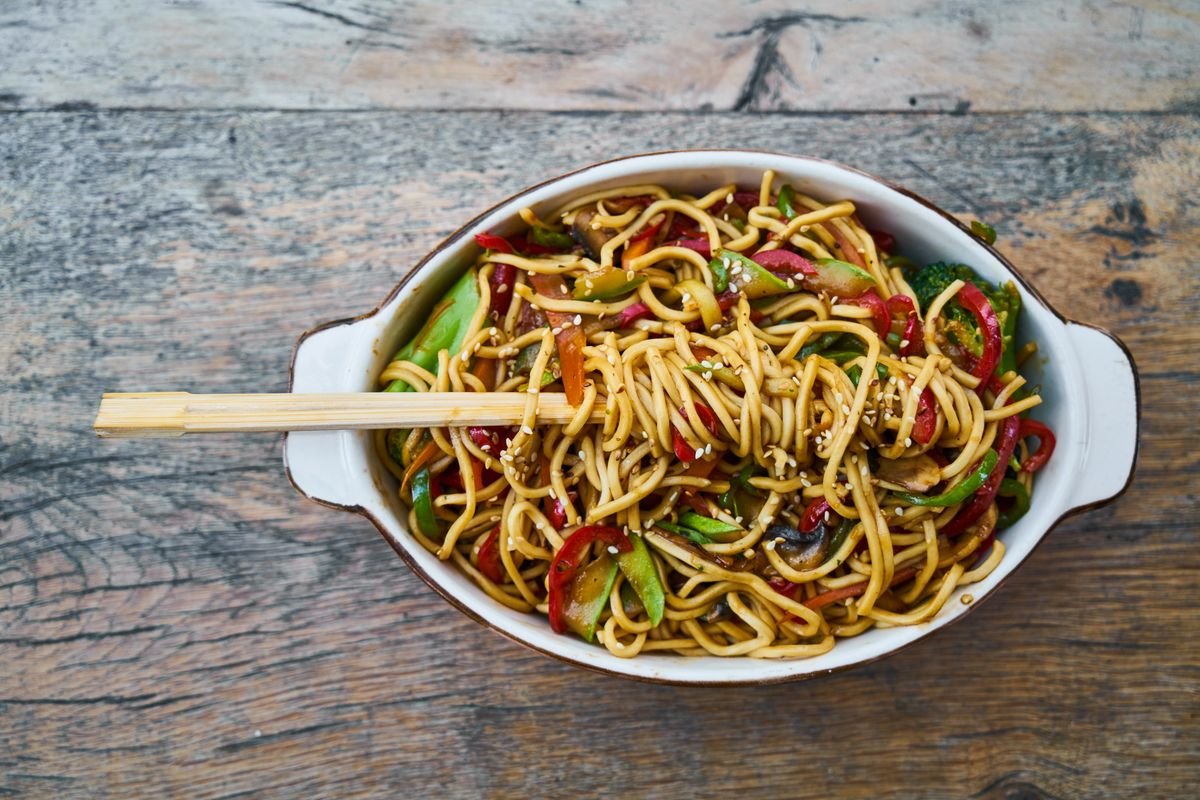
    Bowl of noodles tossed with sliced red peppers and vegetables
    Illustrative photo of a noodle dish, not the creator’s recipe.

    This is a pantry-friendly noodle bowl built on ordinary spaghetti, tossed with a toasted-sesame and soy dressing that carries a little heat, then brightened with crunchy bell pepper, tomatoes, fresh herbs and a squeeze of lime. It is designed to be served chilled, which makes it a natural packed lunch.

    Lunch note: the card says 20 minutes, but the recipe suggests letting it chill for at least 30 minutes so the flavors settle, so plan on that if you want it cold at dinner too. The recipe notes that the noodles keep soaking up dressing in the fridge, so a quick toss and an extra squeeze of lime before eating helps. It also advises against freezing.

    Get the recipe at Budget Bytes

    2. Mediterranean Orzo Salad (Salt & Lavender)

    Rice-shaped orzo pasta meets the flavors of a Greek salad: juicy tomatoes, cucumber, briny olives, red onion and salty crumbled feta, all pulled together with a simple oil-and-vinegar dressing. It is the kind of dish that works as a light dinner on its own or next to anything grilled.

    Lunch note: the creator calls it great for making ahead and portioning into lunches. Like the noodles above, the orzo drinks up its dressing over time, and her fix is simply a splash more oil or vinegar before serving.

    Get the recipe at Salt & Lavender

    3. Chickpea Salad Sandwich (Well Plated)

    Think of a classic deli-style salad, but made with mashed chickpeas and a creamy, lightly curried yogurt dressing instead of mayo-heavy chicken or tuna. Crunchy bits and a touch of sweetness keep every bite interesting. It goes into a pita, onto toast, over greens or alongside crackers, and the creator notes it can be made vegan with a plant-based yogurt.

    Lunch note: with no cooking at all, this is the fastest dinner on the list, and the creator describes it as a make-ahead lunch that holds up through the week. The filling also freezes. To avoid a soggy sandwich, pack the filling in its own container and assemble at lunch.

    Get the recipe at Well Plated

    ★ Our Pick

    THERMOS Stainless King Food Jar (16 oz)

    THERMOS Stainless King 16 oz food jar in matte steel with folding spoon

    If you want to bring the reheated dishes below (or keep a cold salad cold) without fighting over the office microwave, an insulated food jar is the simplest fix. This one is sized for a single lunch portion.

    • Insulated stainless steel — per the listing, rated to keep contents hot for up to 9 hours and cold for up to 14.
    • Leak-proof when closed — the maker lists a sealed lid plus a pressure-relief stopper to help avoid spills.
    • Built for lunch — a folding spoon is included, and the listing says it is dishwasher safe (top rack recommended).

    Check Current Price on Amazon →

    As an Amazon Associate we earn from qualifying purchases. Price and availability may change.

    Group 2: Pack It in Parts

    Some dinners are best stored as components and assembled at lunch, so the warm part can be heated without wilting the cold part.

    4. Taco Salad, Meal-Prep Style (Skinnytaste)

    A skillet of well-seasoned lean ground meat (turkey, beef or chicken all work, per the creator) simmered with onion and pepper becomes the base for a big, crunchy salad with romaine, pico de gallo, cheese and a quick salsa-lime dressing. At dinner, it is a taco night without the shells.

    Lunch note: this one comes with the most detailed packing plan on the list. The creator divides the meat into containers, bags the lettuce separately, and keeps the dressing and toppings in small containers so you can warm the meat on its own and then build the salad. She does not give a day count for the fridge, so the general USDA guidance below applies.

    Get the recipe at Skinnytaste

    Group 3: Reheat It

    These two are at their best warm. Reheat them thoroughly at lunch, or heat them in the morning and carry them in an insulated jar.

    5. Mexican Fried Rice (RecipeTin Eats)

    Plate of fried rice with diced vegetables
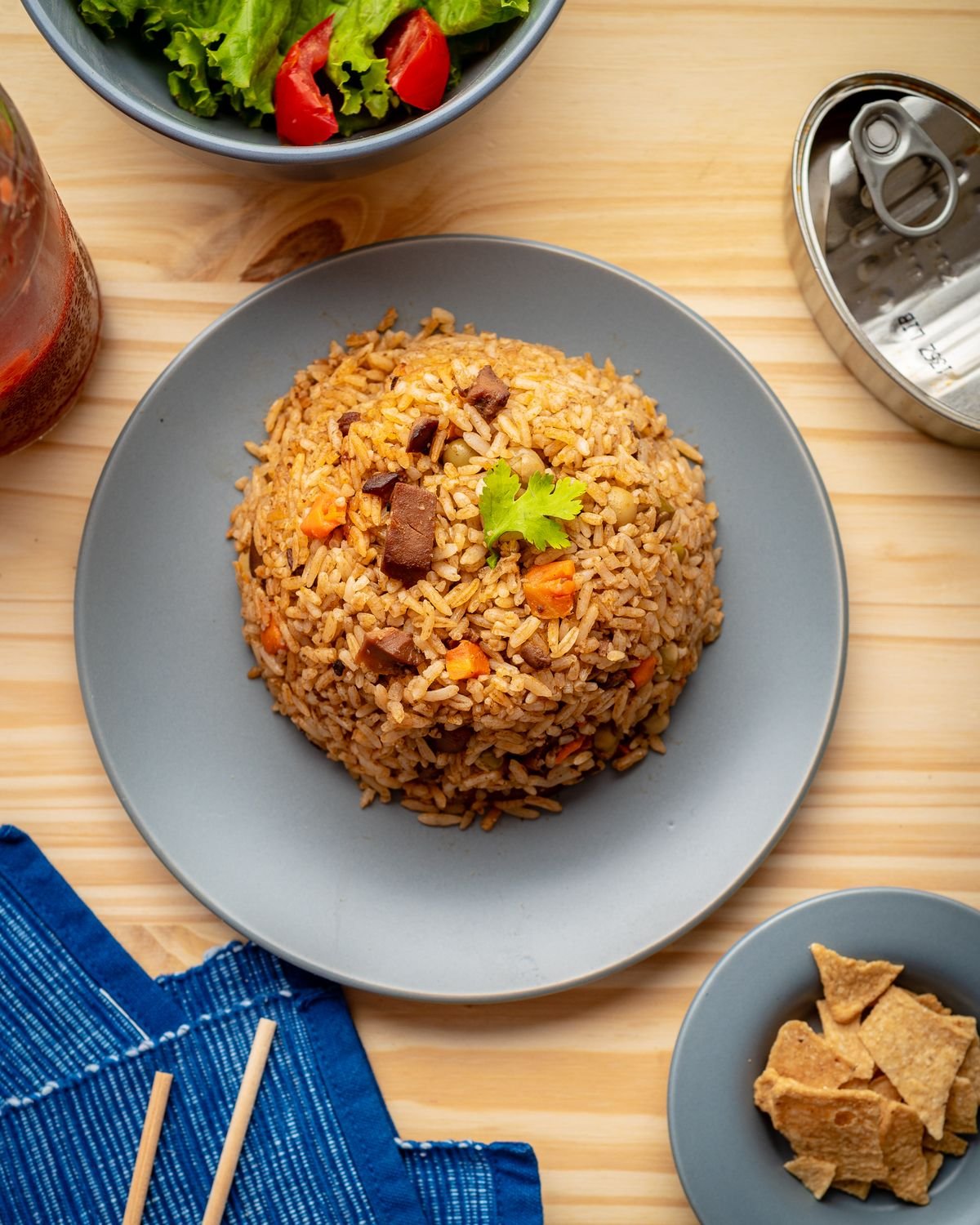
    Illustrative photo of fried rice, not the creator’s recipe.

    This is fried rice that takes a detour through Tex-Mex: rice tossed with black beans, corn, peppers and onion in a smoky, enchilada-sauce-based seasoning, with room for any leftover shredded chicken, pork or beef you have on hand. It is a clever way to turn yesterday’s plain rice into tonight’s dinner, and tonight’s dinner into tomorrow’s lunch.

    Lunch note: the 15-minute card time assumes cooked rice is already waiting; the creator says it works best with rice cooked several hours earlier. She confirms in the comments that it can be made ahead and reheated, and her recipe notes include a freezer-kit option (everything except the rice and sauce).

    Get the recipe at RecipeTin Eats

    6. Lemony Tortellini Soup (Gimme Some Oven)

    A bright, brothy soup that gets its depth from a base of sautéed onion, fennel, carrot and celery, then fills up on store-bought cheese tortellini and a handful of spinach. A generous hit of lemon and fresh dill at the end keeps it from feeling heavy. It is cozy without being a project.

    Lunch note: this is the dish where an insulated jar shines. The creator does not give storage times, so follow the general USDA guidance below. As with most pasta soups, the tortellini will keep absorbing broth overnight, so you may want to add a splash of extra broth or water when you reheat.

    Get the recipe at Gimme Some Oven

    Packing Leftovers Safely: The Short Version

    Packed lunch container with rice, shredded chicken and vegetables
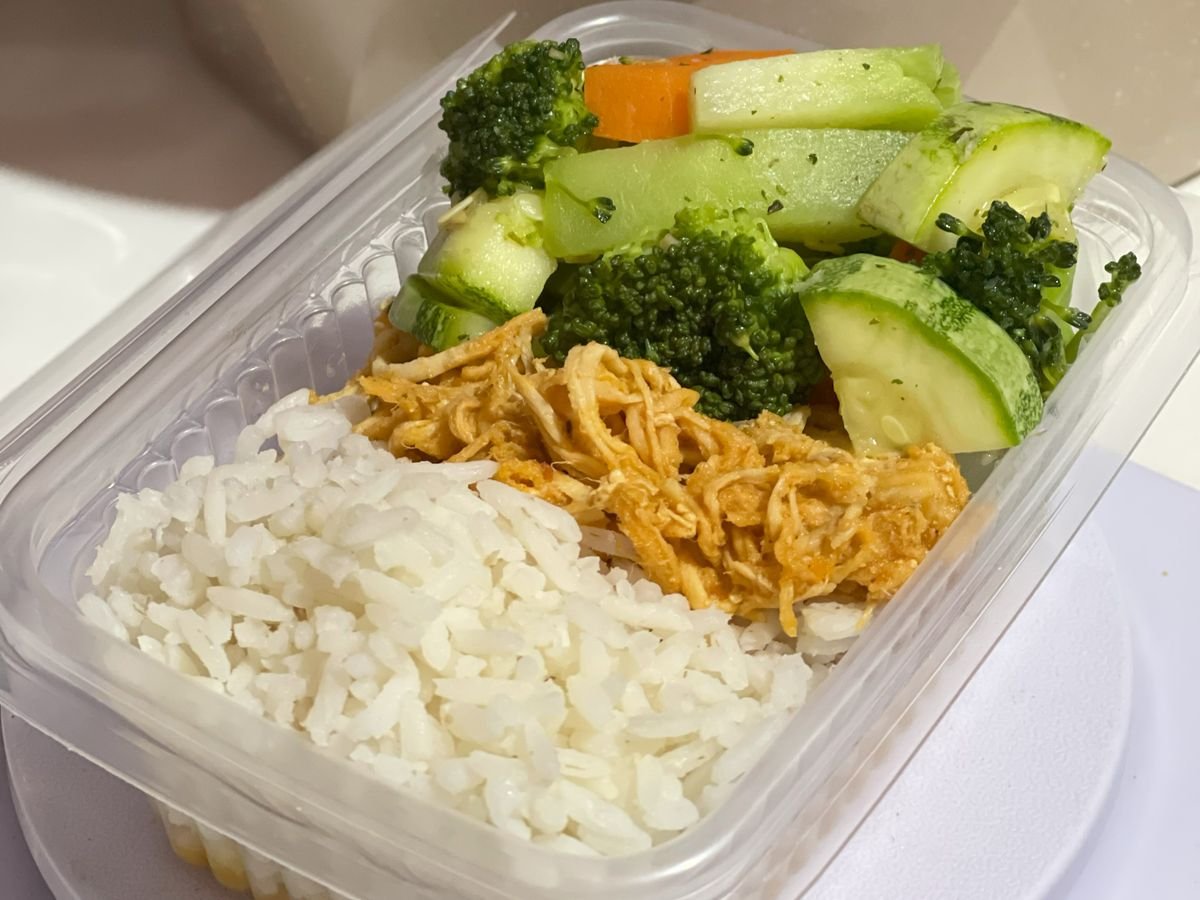
    Illustrative photo of a packed lunch.

    A make-ahead lunch is only a win if it is still safe to eat. These points come straight from the USDA’s leftovers guidance:

    • Refrigerate within 2 hours of cooking, or within 1 hour if it is over 90°F. Portion the lunch container right after dinner instead of leaving the pot on the stove all evening.
    • Use refrigerated leftovers within 3 to 4 days, or freeze them. If a creator lists a longer window (Salt & Lavender says 3 to 5 days for the orzo salad), the cautious move is to go with the shorter one.
    • Reheat to 165°F, checked with a food thermometer. For soups, the USDA says to bring them to a rolling boil.
    • Keep cold food cold (40°F or below). An insulated bag with an ice pack helps if your lunch will sit out of the fridge for a while.

    Which One Should You Make Tonight?

    • No microwave at work: the sesame noodles, orzo salad or chickpea salad. All three are meant to be eaten cold.
    • You hate soggy lunches: the taco salad. Its packing plan keeps the lettuce crisp and the dressing separate.
    • You have leftover rice in the fridge: the Mexican fried rice. It was built for exactly that.
    • It is cold outside and you want something warm at noon: the tortellini soup, carried in an insulated jar.
    • You barely have the energy to cook: the chickpea salad sandwich. No stove required.
    • You want a whole week of lunches: the chickpea filling and the fried rice are the two the creators say can go in the freezer (as a filling or a freezer kit). The sesame noodles are the one to avoid freezing.

    A Few Honest Notes

    • Allergens: the sesame noodles rely on sesame oil and sesame seeds, and the chickpea salad sandwich includes cashews. Both are common allergens, so check the full ingredient lists before packing for someone else.
    • Card times are the creators’ estimates. Chilling time (noodles) and pre-cooked rice (fried rice) sit outside the headline number, as noted above.
    • We did not invent storage times. Where a creator gave one, we quoted it; where they did not, we pointed to the USDA rather than guessing.
    • Follow each creator’s method and doneness cues, especially for the ground meat in the taco salad.

    The Bottom Line

    Cooking once and eating twice is one of the easiest ways to make a busy week feel calmer. Pick a dinner from the group that matches how you eat lunch, make a little extra, and pack it before the dishes are done. If warm lunches are your thing, an insulated food jar like the THERMOS Stainless King makes the soup and fried rice much easier to carry. Whatever you choose, the full recipes, methods and tips belong to the creators, so click through and give them the visit.

  • Meatless Weeknight Dinners: 6 Quick Recipes, Organized by What Takes the Meat’s Place

    Meatless Weeknight Dinners: 6 Quick Recipes, Organized by What Takes the Meat’s Place

    This post contains affiliate links. As an Amazon Associate, EveryDay Fork earns from qualifying purchases at no extra cost to you. See our Affiliate Disclosure for details.

    Assorted fresh vegetables including peppers, corn, cucumber and broccoli arranged on a wooden table
    Photo via Pexels

    Most “meatless dinner” lists are really just a pile of side dishes with a hopeful title. The trick to a meatless weeknight dinner that actually feels like dinner is simple: something on the plate has to do the job the meat usually does. It has to be the hearty, satisfying center that everything else is built around.

    So instead of sorting this roundup by cuisine or by pan, we sorted it by what takes the meat’s place: beans, chickpeas, tofu, mushrooms, halloumi and ricotta. Six stand-ins, six recipes from six different creators, and every one of them lists 30 minutes or less on its own recipe card.

    How This List Works

    • One creator per dish. Each recipe belongs to the blogger who developed it. We describe the dish in our own words and link you straight to the original for ingredients, method and the creator’s own tips.
    • Card time, not headline time. The times below are the total times printed on each creator’s recipe card. Your first run of a new recipe will usually take a little longer.
    • “Meatless” means no meat or fish. Some of these dishes use dairy, and a few traditional cheeses are made with animal rennet. If you eat strictly vegetarian, check the cheese labels (more on that in the notes at the end).

    All Six at a Glance

    Stand-inDishCreatorCard time
    BeansBlack Bean TacosSpend With Pennies20 min
    ChickpeasMediterranean Chickpea SaladDownshiftology10 min
    Tofu20-Minute Tofu Stir-FryMinimalist Baker20 min
    MushroomsMushroom Stroganoff (Vegetarian)Gimme Some Oven30 min
    HalloumiThe Best Halloumi CurryBeat the Budget25 min
    RicottaLemon Ricotta PastaWell Plated20 min

    1. Beans: Black Bean Tacos

    Stands in for: ground beef in taco night.

    Holly Nilsson’s black bean tacos keep everything you love about taco night (the warm tortillas, the pile of toppings, the build-your-own fun) and simply swap the seasoned meat for a skillet of spiced black beans and corn. Canned beans do the heavy lifting here, which is exactly why it is such a reliable fallback on a tired evening. It is also an easy one to set out family-style and let everyone top their own.

    Card time: 20 minutes. Get the recipe at Spend With Pennies →

    2. Chickpeas: Mediterranean Chickpea Salad

    Stands in for: the grilled chicken on a dinner salad.

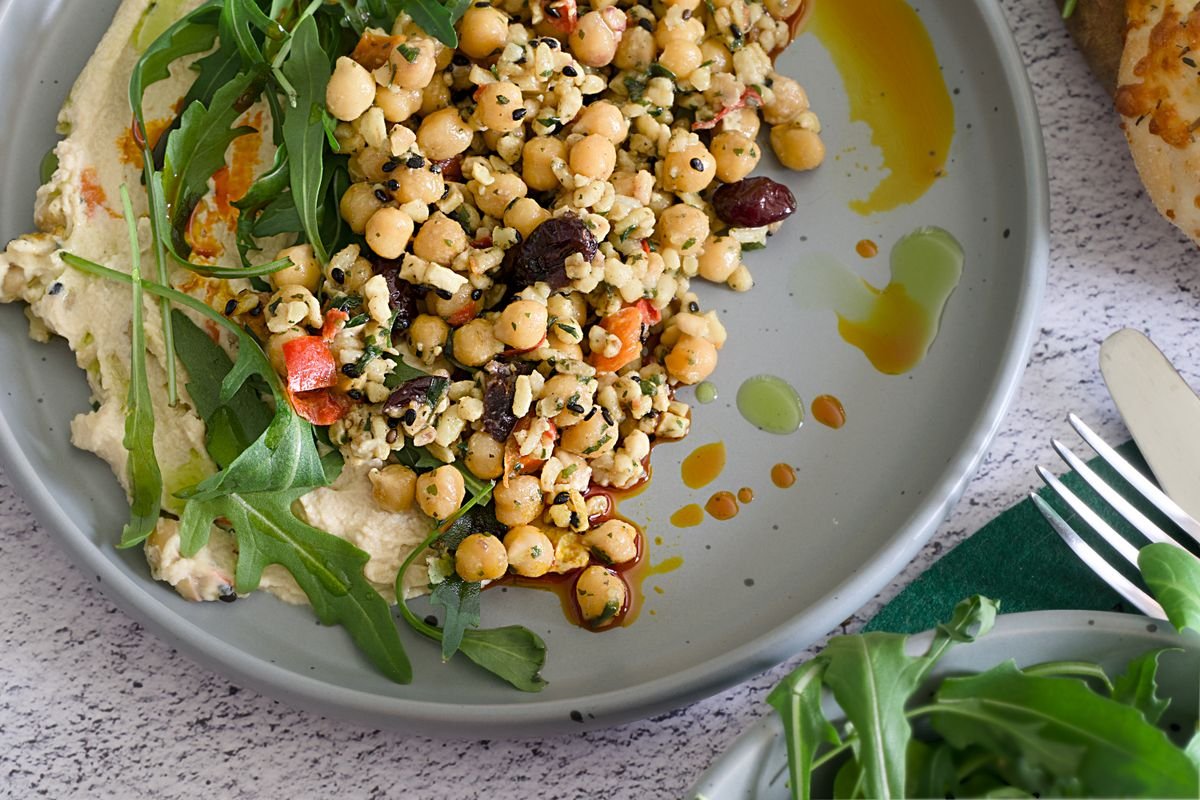
    Mediterranean chickpea salad with arugula served on a plate
    Illustrative photo via Pexels, not the creator’s dish.

    The fastest dinner on this list involves no stove at all. Lisa Bryan’s salad tosses chickpeas with crunchy chopped vegetables, feta and a bright lemon dressing, so the chickpeas give it the substance that keeps a salad from feeling like a side. It is the one to reach for on a warm evening, or any night when turning on a burner feels like too much.

    Card time: 10 minutes. Get the recipe at Downshiftology →

    3. Tofu: 20-Minute Tofu Stir-Fry

    Stands in for: chicken in a weeknight stir-fry.

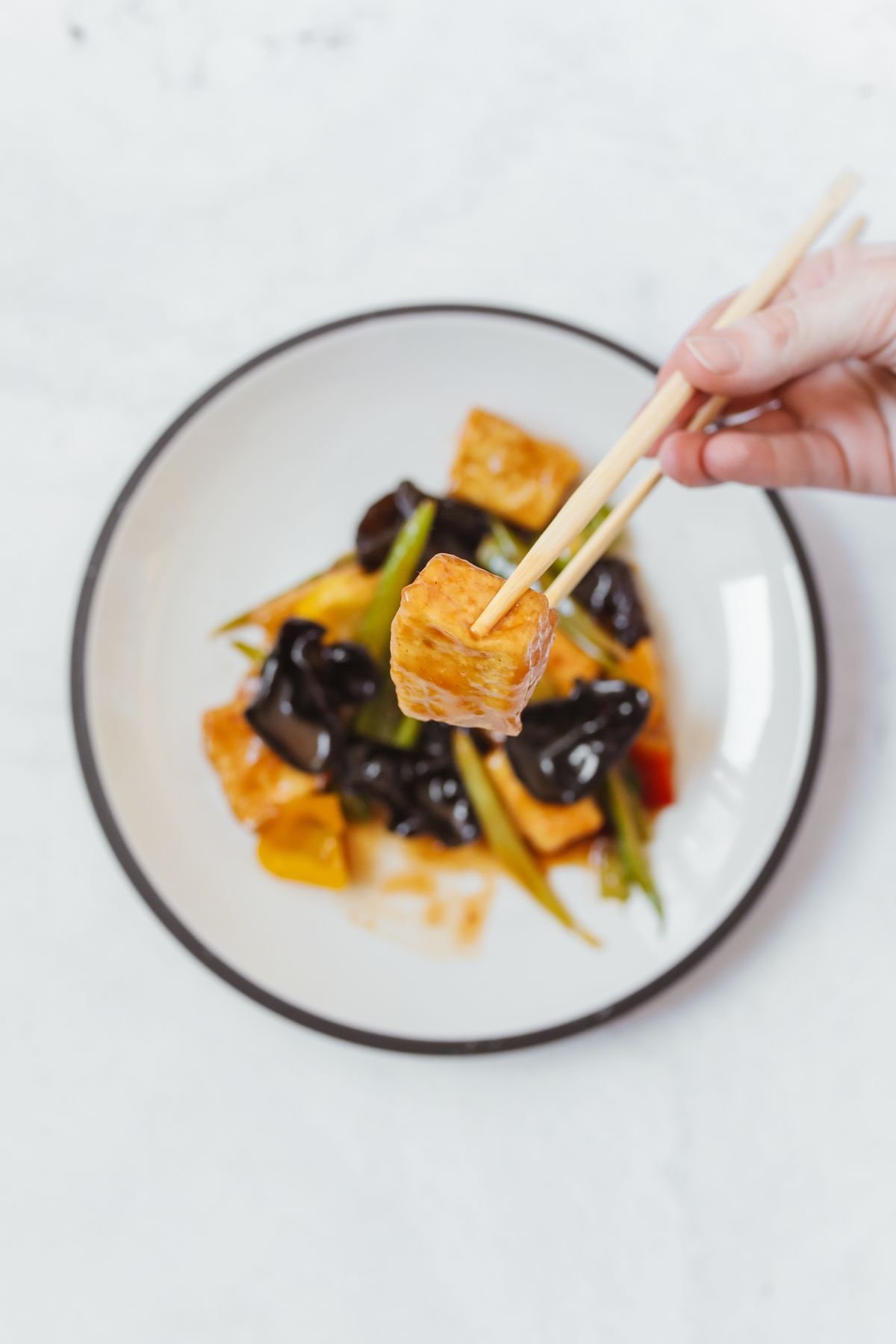
    Chopsticks lifting a piece of seared tofu from a plate of stir-fried mushrooms and vegetables
    Illustrative photo via Pexels, not the creator’s dish.

    Minimalist Baker’s stir-fry pairs crispy pan-seared tofu with mushrooms, cabbage and bell pepper, all coated in a peanut-butter sauce and served over cauliflower rice. If tofu has ever let you down by being soggy, this style of recipe is the fix: pressing out the water first is what lets the cubes brown instead of steam. The recipe calls for pressed extra-firm tofu, so plan that step into your 20 minutes.

    Card time: 20 minutes. Get the recipe at Minimalist Baker →

    ★ Our Pick

    OXO Good Grips Tofu Press

    OXO Good Grips Tofu Press, a clear container with a white lid and pressing plate

    If tofu is going to stand in for meat on busy nights, getting the water out is the step that makes or breaks it. A dedicated press does that job hands-off while you prep everything else, instead of the old stack-of-towels-and-a-heavy-pan routine.

    • Even pressing — the maker says a rigid plate presses the block evenly for consistent results.
    • No puddles on the counter — per the product page, the clear body holds the extracted water and keeps the pressed tofu above it.
    • Two pressing strengths — and it comes apart for cleaning, according to the listing.

    Check Current Price on Amazon →

    As an Amazon Associate we earn from qualifying purchases. Price and availability may change.

    4. Mushrooms: Mushroom Stroganoff

    Stands in for: beef in a classic stroganoff.

    Mushrooms are the most convincing meat stand-in for anyone who misses savory, deeply browned flavor, and Gimme Some Oven’s stroganoff leans right into that. Sliced mushrooms go into a creamy, tangy sauce built on vegetable stock, and the whole thing is spooned over egg noodles, the same cozy bowl as the beef version. Of the six, this is the one most likely to win over a skeptic at the table.

    Card time: 30 minutes. Get the recipe at Gimme Some Oven →

    5. Halloumi: The Best Halloumi Curry

    Stands in for: chicken in a creamy curry.

    Halloumi holds its shape in heat, which makes it a natural swap for chunks of chicken. In this recipe from the UK budget-cooking blog Beat the Budget, pieces of halloumi go into a creamy tomato-based curry with dark leafy greens and a squeeze of lime, served over rice. It is a fun change of pace if your usual meatless curry is chickpea-based.

    Card time: 25 minutes. Get the recipe at Beat the Budget →

    6. Ricotta: Lemon Ricotta Pasta

    Stands in for: the meat sauce in a weeknight pasta.

    Erin Clarke’s pasta proves a meatless pasta does not have to mean plain noodles with a sprinkle of cheese. Ricotta and Parmesan come together into a creamy sauce, while garlic, lemon and fresh herbs keep it bright rather than heavy. It is the kind of recipe worth memorizing for nights when the fridge is close to empty but there is a tub of ricotta inside.

    Card time: 20 minutes. Get the recipe at Well Plated →

    Which One Should You Make Tonight?

    • Feeding a “where’s the meat?” crowd: the mushroom stroganoff or the black bean tacos. Both are familiar formats with only the protein changed.
    • Too hot to cook: the chickpea salad. No stove, ten minutes on the card.
    • Craving takeout: the tofu stir-fry or the halloumi curry.
    • Want comfort in a bowl: the lemon ricotta pasta.
    • Cooking mostly from the pantry: the black bean tacos, since canned beans are the base.

    A Few Honest Notes

    • Check your cheese if you are strictly vegetarian. Traditional Parmesan is made with animal rennet, and some other cheeses can be too. Many stores carry vegetarian-friendly alternatives labeled as made with microbial or vegetable rennet.
    • Vegan swaps belong to the creators. Several of these recipes are vegetarian rather than vegan. If you need a fully plant-based version, look at each creator’s own notes before improvising.
    • Nut alert. The tofu stir-fry uses a peanut-butter sauce, so it is not a fit for nut-free households as written.
    • Follow the creators’ cooking cues. Their visual cues for doneness (how browned, how thick, how tender) are more reliable than any clock.

    The Bottom Line

    A meatless weeknight works best when you stop thinking about what is missing and start with what is taking its place. Beans and chickpeas cover the pantry nights, mushrooms and halloumi bring the savory, hearty bite, ricotta handles comfort, and tofu rewards a little prep (a tofu press makes that part hands-off). Pick one stand-in this week, follow the creator’s recipe, and see which one earns a regular spot in your rotation.